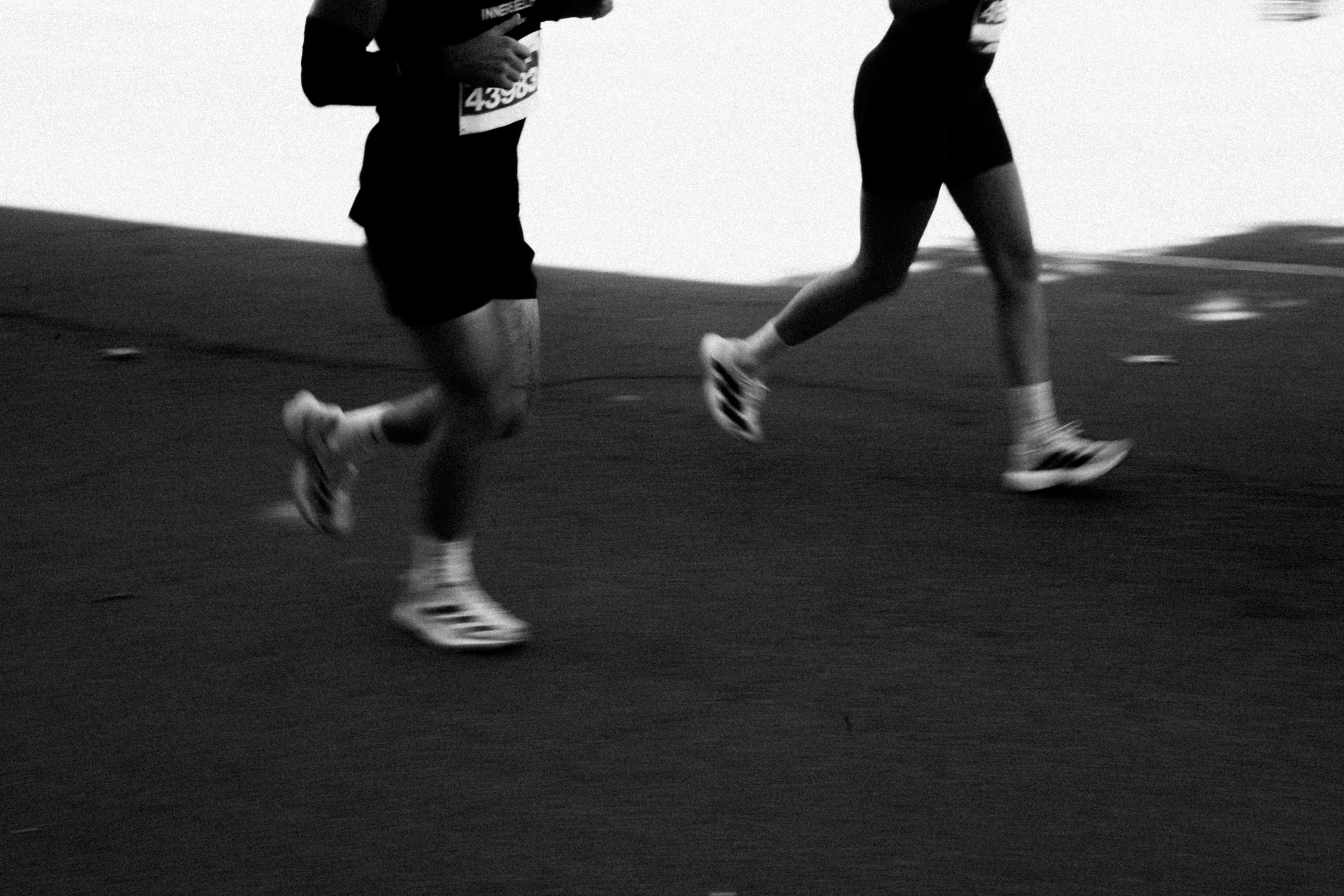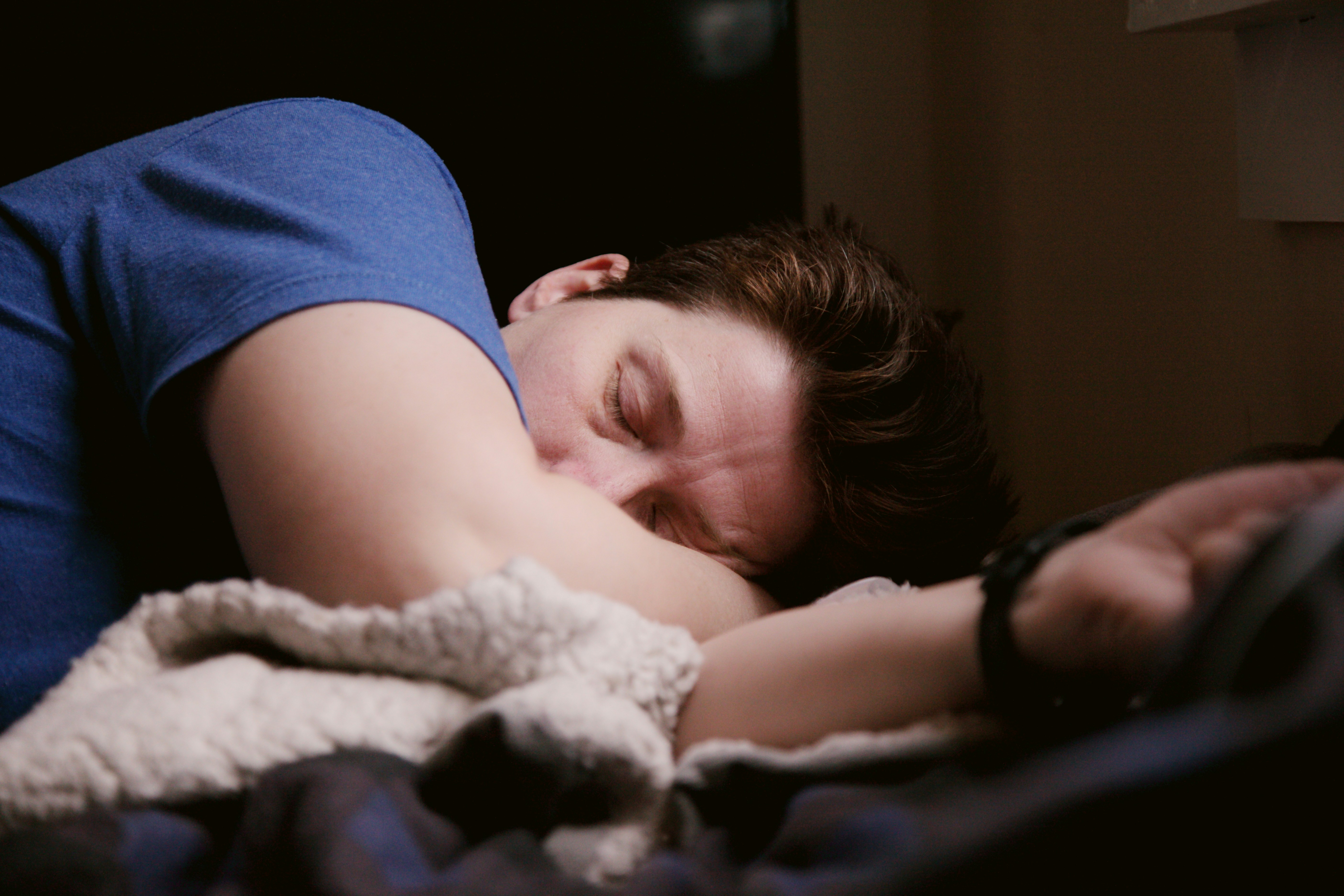
Training is one thing. Getting better only happens when rest and nutrition are aligned with your training load. There’s no such thing as a perfect workout if your recovery isn’t where it should be.
That’s something we’ve been emphasizing for a while. I go into it in depth in my book (in Dutch - Acco/Standaard Boekhandel/Bol.com), including why wearables still can’t truly capture sleep. And that’s exactly why we’re introducing something new in Trenara: a sleep score based on how you feel, which leads to adjusted training advice.
Why sleep can make or break your training
It remains one of the most misunderstood concepts in endurance sports: progress happens during recovery. You don’t get better during the run itself, but through the recovery that follows.
Sleep and nutrition are the two key factors here. We’ve already covered nutrition with Ien’s macro nutritional advice. Now, we’re taking the next step with sleep. Because poor sleep means:
less recovery
higher perceived effort (RPE)
lower training quality
Same workout, after a good or a bad night: different outcome.
The problem with sleep data
We rely on your feeling, not your wearable’s sleep score. Because wearables simply can’t measure sleep the way it actually matters. I explain that in my book as well.
They’re fairly good at measuring how long you sleep, but not how well you sleep. Data tends to capture quantity, not quality. These scores are based on heart rate and movement, not on how you actually feel. And that feeling is exactly what determines how your body responds to training.
That’s why our sleep score is deliberately not a wearable score. We rely on your own perception, so we can give meaningful advice. Based on the human, not the machine.
New: train based on your sleep score
From now on, and every morning, we'll ask our Peak Pro users a simple question: how was your night? Based on your daily score, but also based on trends over multiple days, and of course also based on your planned training, you’ll receive tailored training advice.
In short:
Slept poorly? We may advise you to ease off slightly, depending on the session. I’m naturally more cautious when poor sleep meets high-intensity workouts.
Slept well? You’re ready for quality.
Closing the loop: your feeling meets your training plan
Your sleep score becomes an additional input on top of your training data. With your RPE feedback, which we now also collect via a pop-up (by popular request), we already had a qualitative insight AFTER your workout. With your sleep score, we now gain that same qualitative insight BEFORE your planned session.
This is a logical next step for us. We started with automatic adaptivity in training plans as one of the firsts. Then came RPE feedback. Since late last year, you’ve been able to set your own thresholds. Earlier this year, we introduced the ability to adjust your workouts yourself, both in volume and intensity.
Now, you can actually act on the advice linked to your sleep. If we had launched this feature before giving you that flexibility, it would have been frustrating. Imagine getting advice to shorten a session after a terrible night, without being able to adjust it yourself and thus receiving negative feedback from me after that session. That wouldn’t make sense.
We’re the first running app to bring this kind of 360° approach into practice. There’s still room to improve, of course. For now, sleep-based guidance is exactly that: guidance. The feature isn’t “agentic” yet, meaning you’re still in control of taking action. As adoption grows, we’ll continue to deepen the advice and potentially evolve towards a more automated approach.
More insight for women?
Alongside this update, you’ll also see a new tab on your profile page. There, you can view your sleep graph for the current week or month. This can be especially interesting for women in relation to their cycle.
You may start to notice patterns, or you may not. Cycles are highly individual. Either way, this type of feature may have a greater impact for women than for men. And that’s exactly why it matters: we’re not applying a “shrink it and pink it” approach.
Conclusion
Anyone with some experience in running knows that training doesn’t work without recovery. You can keep focusing on pace, zones, and training plans, while completely ignoring yourself in the process. But that’s not how you improve. And I wouldn’t be a good coach if I lost sight of you as a person.
That’s why we believe better training starts with better input. Trenara doesn’t just focus on what you do. It also focuses on how you feel.